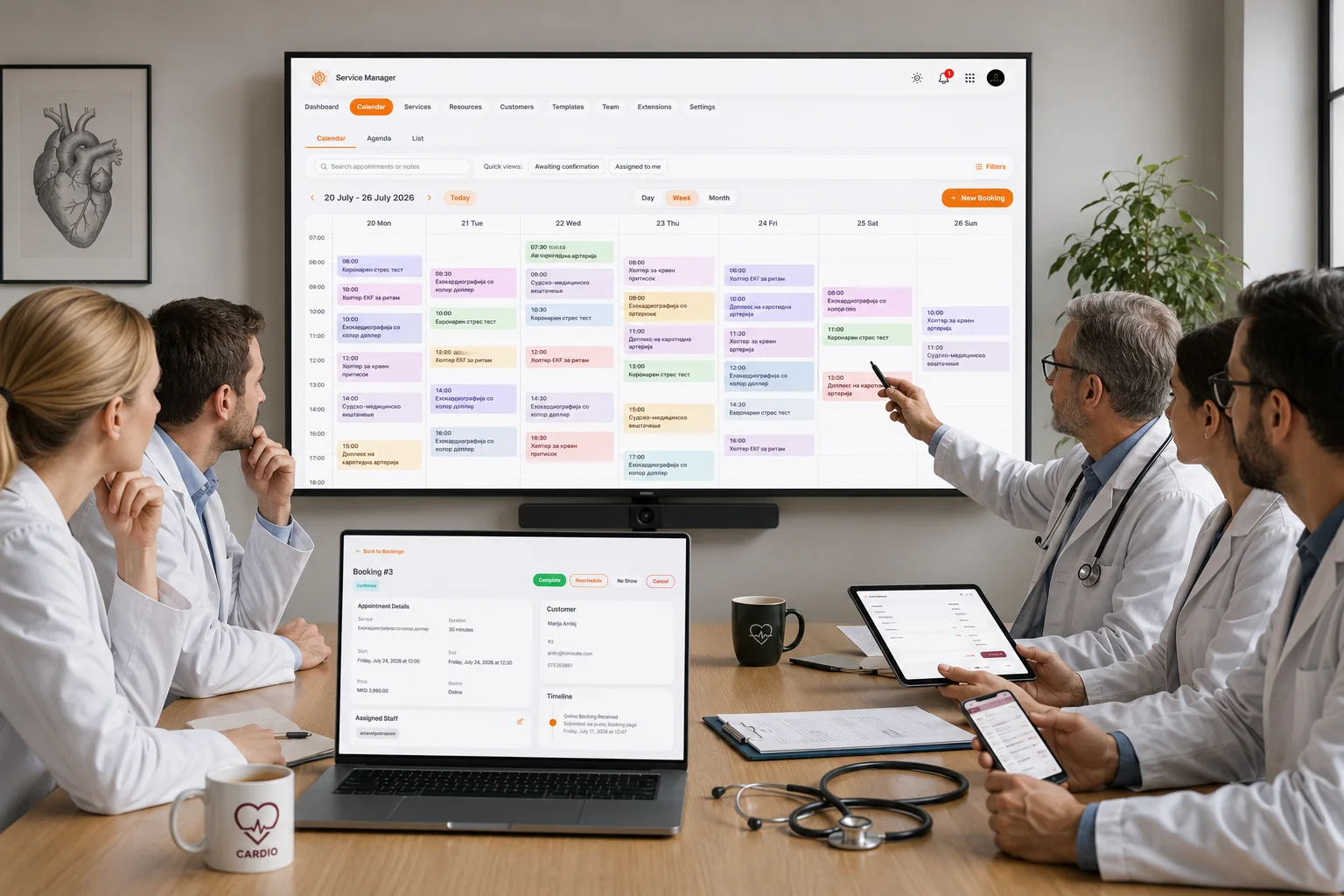
Many businesses rely on standard software such as CRM systems, accounting tools, or project management platforms. While these tools cover basic needs, they are rarely aligned with a company’s specific processes.
This is where significant, often overlooked potential lies.
The Problem with Standard Software
Off-the-shelf solutions are built for a broad audience, which often leads to:
- unused features
- missing critical functionality
- inefficient workflows
- disconnected systems
- increasing costs from multiple subscriptions
Studies indicate that companies use between six and ten different software tools on average, with a substantial portion of features remaining unused.
Custom Software as a Strategic Solution
Custom software is designed or adapted specifically to match a company’s processes. This results in:
- precise functionality
- seamless system integration
- automated workflows
- improved transparency and control
Research in process automation shows that businesses can significantly improve efficiency and reduce operational costs through targeted digitalization.
Key Benefits of Custom Software
Long-term cost reduction
Eliminating unnecessary tools and improving efficiency lowers ongoing expenses.
Increased efficiency
Automation reduces manual work and minimizes errors.
Competitive advantage
Optimized processes allow faster and more precise execution.
Scalability
Solutions can grow alongside the business.
System integration
Instead of isolated tools, businesses operate within a unified system.
A Common Misconception
Many companies assume that custom software is inherently expensive.
In reality, custom solutions are often more cost-effective over time compared to multiple subscription-based tools.
Additional savings come from:
- reduced time consumption
- fewer errors
- streamlined operations
- better data accessibility
The KIMISUITE Approach
KIMISUITE combines ready-to-use modules with custom-built extensions.
This includes:
- CRM and automation systems
- booking and reservation solutions
- industry-specific applications
- API-based integrations
The result is a fully integrated platform tailored to the exact needs of each business.
Use Cases
- automated quoting and invoicing workflows
- industry-specific CRM systems
- digital booking platforms
- internal workflow management tools
- API integrations with existing systems
Conclusion
Custom software is no longer optional. It has become a key component of modern business strategy.
Companies that optimize and digitize their processes build the foundation for sustainable growth, improved efficiency, and stronger financial performance.
Request a Consultation
If you want to explore the potential for your business, you can submit a non-binding request: