Every custom software project starts with the same conversation. The team has been running the business on a stack of off-the-shelf tools for a couple of years. Something has stopped working. Someone floats "we should build our own."
Most of the time the right answer is no. Occasionally the right answer is yes, and the businesses that get that decision right end up with an unfair advantage over the ones that got it wrong.
When custom is the wrong move
Custom software development is not a maturity milestone. It is a solution to a specific class of problem, and if you do not have that class of problem, custom will cost more than it saves and slow you down instead of speeding you up.
The wrong reasons to go custom:
- "The tool does not have the exact button I want." That is a workflow gap, not a software gap. Fix it with process.
- "We could probably build this ourselves." Almost every business could. Almost no business should — the opportunity cost of the engineering team is usually higher than the licence fees you would save.
- "We want to own our data." Real. Legitimate. But solvable in most cases with a self-hosted or on-premise version of an existing tool, at a fraction of custom development's cost.
- "Our processes are too unique." Sometimes true, usually not. Most "unique" processes are three off-the-shelf tools taped together, which custom can only make marginally cleaner.
When custom is the right move
Real triggers for custom software development are narrower and more specific:
- The core process is your business's actual moat. If the way you handle bookings, or route orders, or price contracts is what makes you competitive, off-the-shelf tools that force you into their generic workflow are actively eroding the moat. Custom is defensive infrastructure.
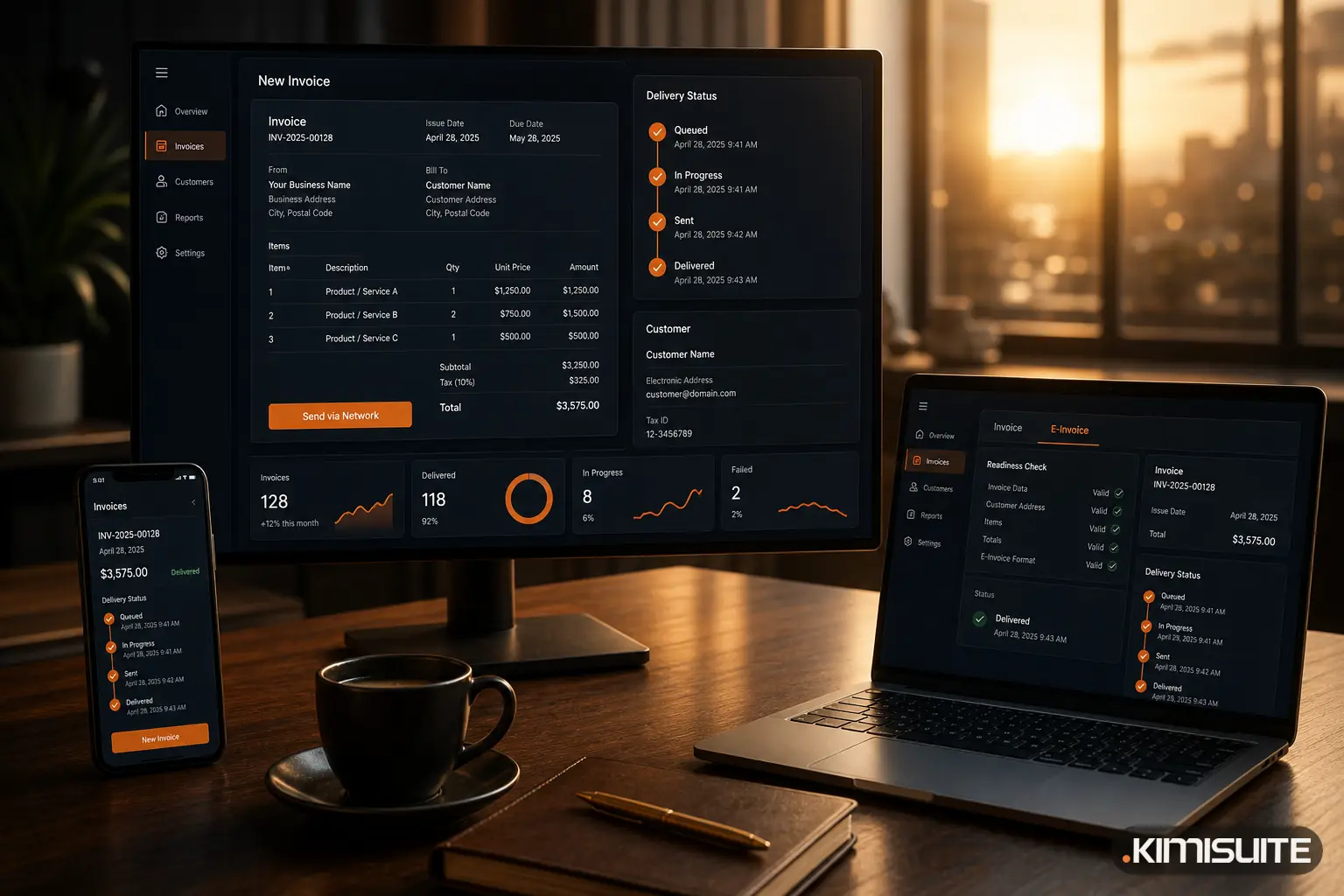
- Compliance forces something the market does not offer. Some regulated industries — accounting, healthcare, e-invoicing in specific jurisdictions — have edge cases that off-the-shelf tools will not touch. Custom is the only path.
- Integration fatigue. When keeping five off-the-shelf tools in sync costs more staff time than a purpose-built system would, custom starts winning the total-cost equation.
- Data ownership is the product. If your business's leverage depends on unique data your customers give you, holding that data in a third-party's schema forever is a strategic risk. Custom lets the data model belong to you.
The pattern: custom is the right move when the process, the compliance, the integration cost or the data asset itself is the strategic advantage. Not before.
What honest custom development looks like
The failure mode of custom software is not building the wrong thing on the first release — it is building the right thing on release one and never returning to it. Custom software is a living asset. It requires ongoing maintenance the same way a physical building does. Any engagement that quotes "build once, done forever" is quoting the wrong thing.
At KIMISUITE, custom software development engagements are scoped in two phases:
- Phase one — Discovery. Written specification, a small clickable prototype, and an honest recommendation about whether custom is even the right answer. Some engagements end here with a "buy tool X and stop" conclusion. That is a good outcome.
- Phase two — Build. If Phase one confirms custom is the right move, we build in short increments. Each increment ships. Each increment is used. Each increment informs the next.
We also design custom systems with export in mind from day one. The data schema, the API surface, the deployment topology — all documented, all portable. The system is yours even if we vanish tomorrow.
Frequently asked questions
Can you build on top of an existing system?
Yes. Extension and integration work — via KIMISUITE Connect — is often the right answer instead of full custom. Cheaper, faster, less risk.
What technologies do you use?
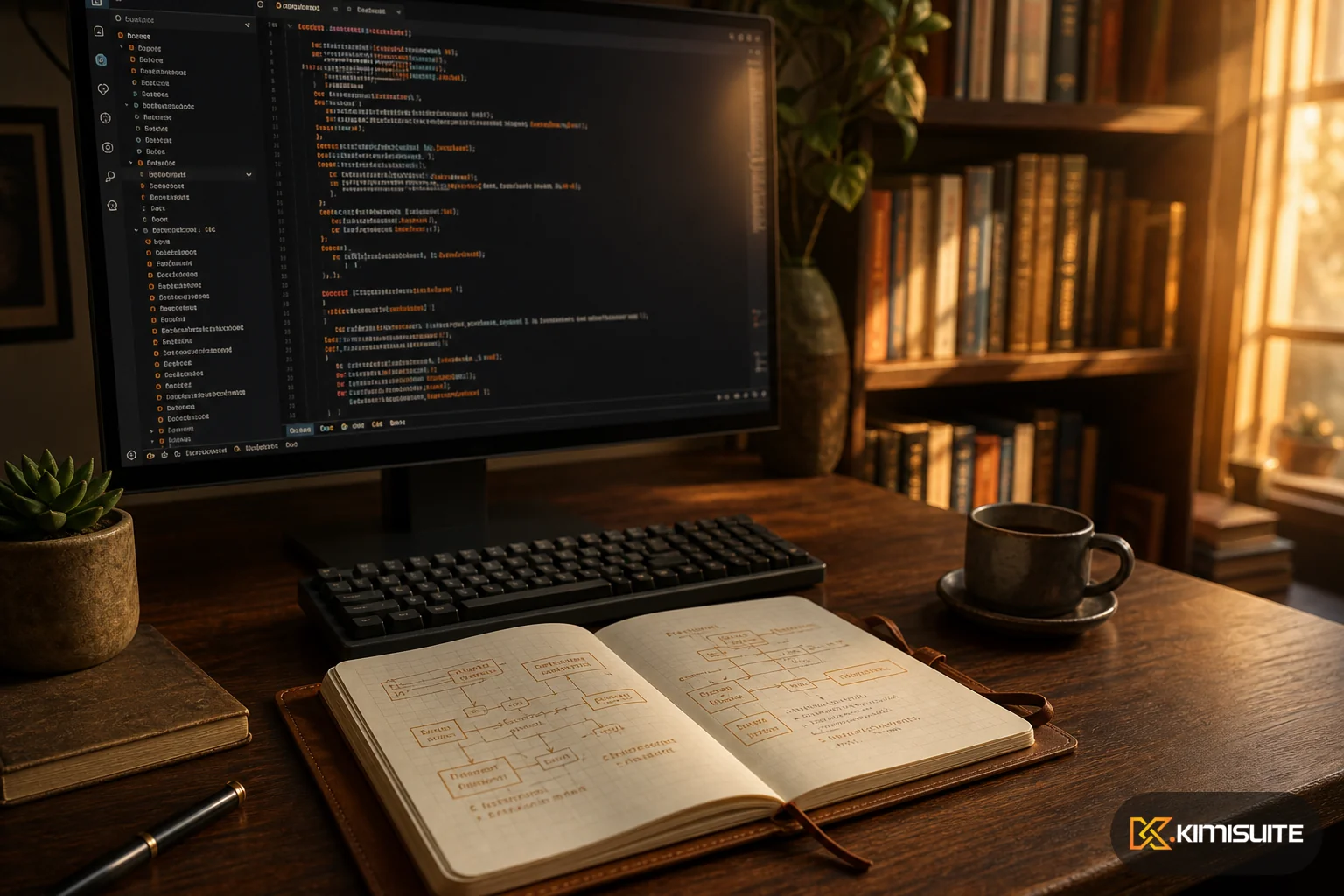
We choose per project, based on the team that will maintain it and the operational profile. Common stacks: Laravel + PostgreSQL for backend, Astro + Svelte for frontend, Docker for deployment. We avoid trend-driven tech choices.
Do you offer maintenance after launch?
Yes, via managed IT support. Custom software without ongoing support degrades over time — that is the reality we build around.
Can we own the code?
Yes. Every custom engagement ships with the full source, deployment docs, and a working local dev environment. The system is portable to another vendor from day one.
Bottom line
If off-the-shelf tools still fit, keep using them. If they have stopped fitting — for a real, specific, business-strategic reason — custom becomes cheaper than the workarounds. The trick is being honest about which side of the line you are on.