Most small businesses hire a "brand designer" and receive a logo, a colour palette, and a two-page style guide. The engagement ends. Six months later the website looks different from the invoices, the invoices look different from the social channels, and the pitch deck looks like it was made by a different company entirely.
The design was fine. The identity never existed.
What a brand actually is
A brand is a set of decisions the business has already made — about voice, about visual language, about what it says yes to and what it declines to be seen doing. It shows up wherever the business does. That means the website, but also the invoice PDF, the terms page, the way the receptionist answers the phone, and the way the founder writes an email.
A logo is a visual identifier. It is not, by itself, a brand. It is one of dozens of surfaces the brand shows up on.
The businesses that get this right treat brand as an operational system rather than a design project. The businesses that get it wrong end up with a beautiful logo and a business that does not feel like anything in particular.
The four pillars of a working identity
A real brand and digital identity engagement covers at least four things:
- Voice — how the business writes. Long sentences or short. Warm or precise. First person or third. A voice document that names the choices makes it possible for anyone in the company to write something on the brand's behalf.
- Visual system — colours, typography, spacing, iconography, photography direction. Rules that survive being applied to a business card, a landing page, a pitch deck and a print flyer without falling apart.
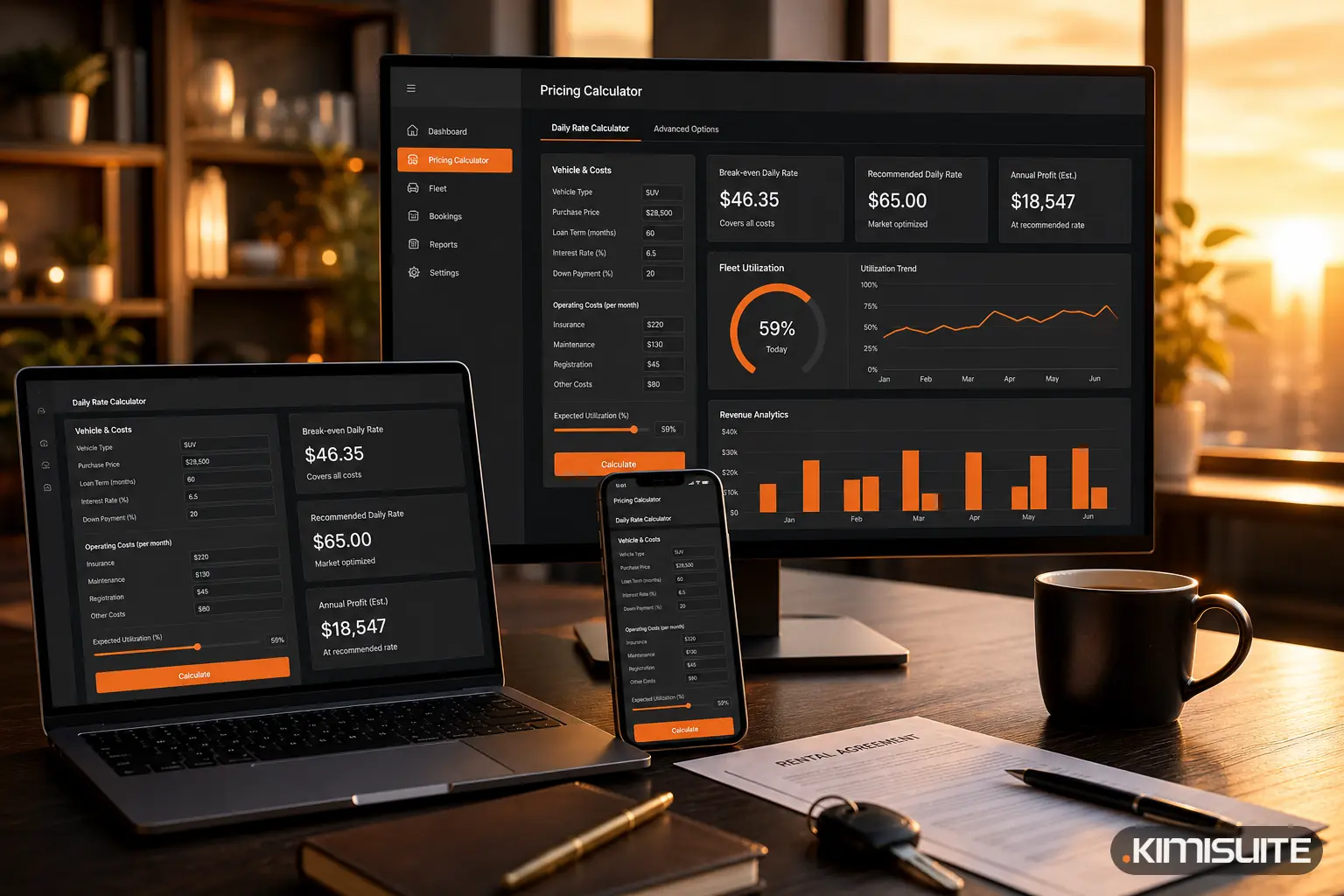
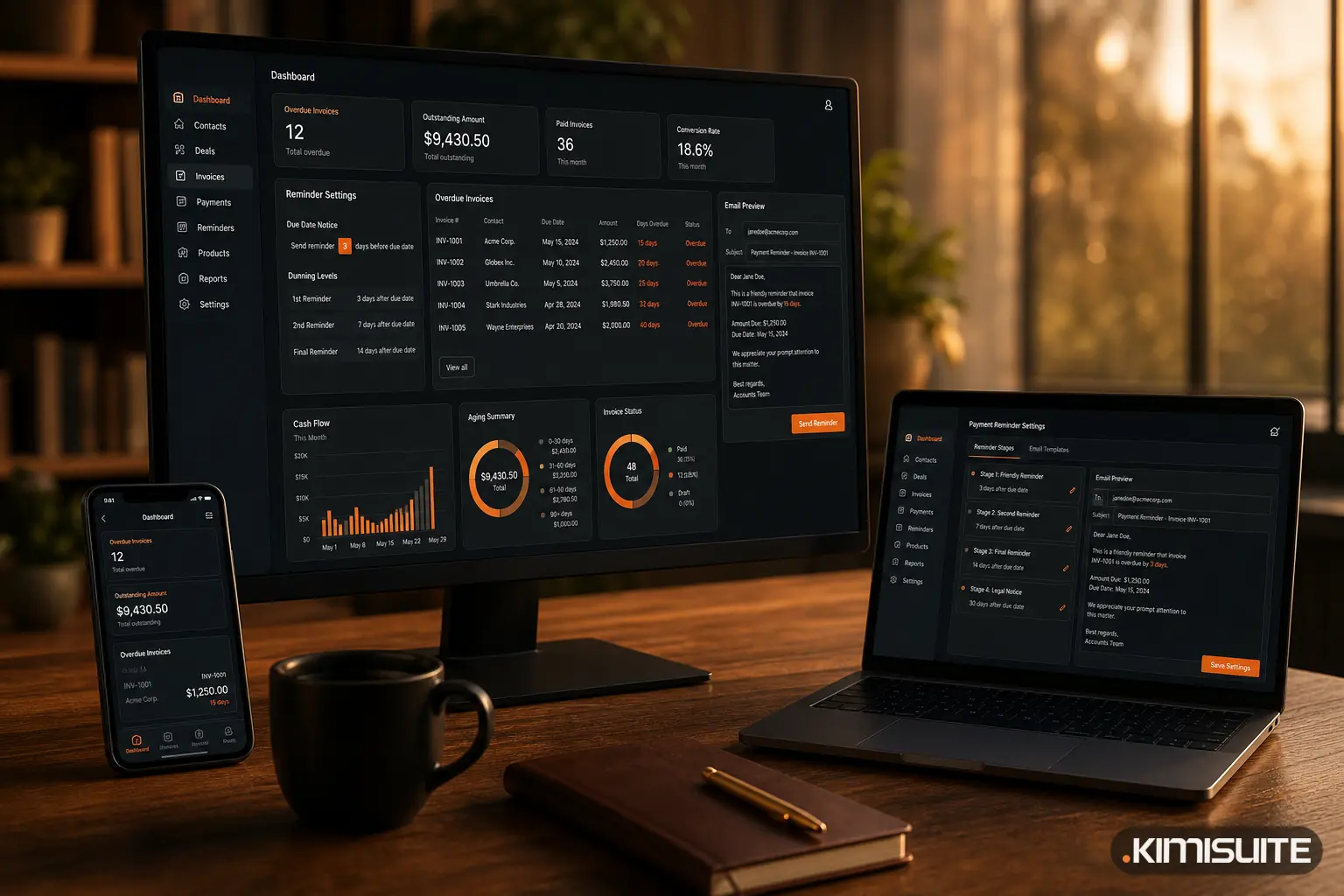
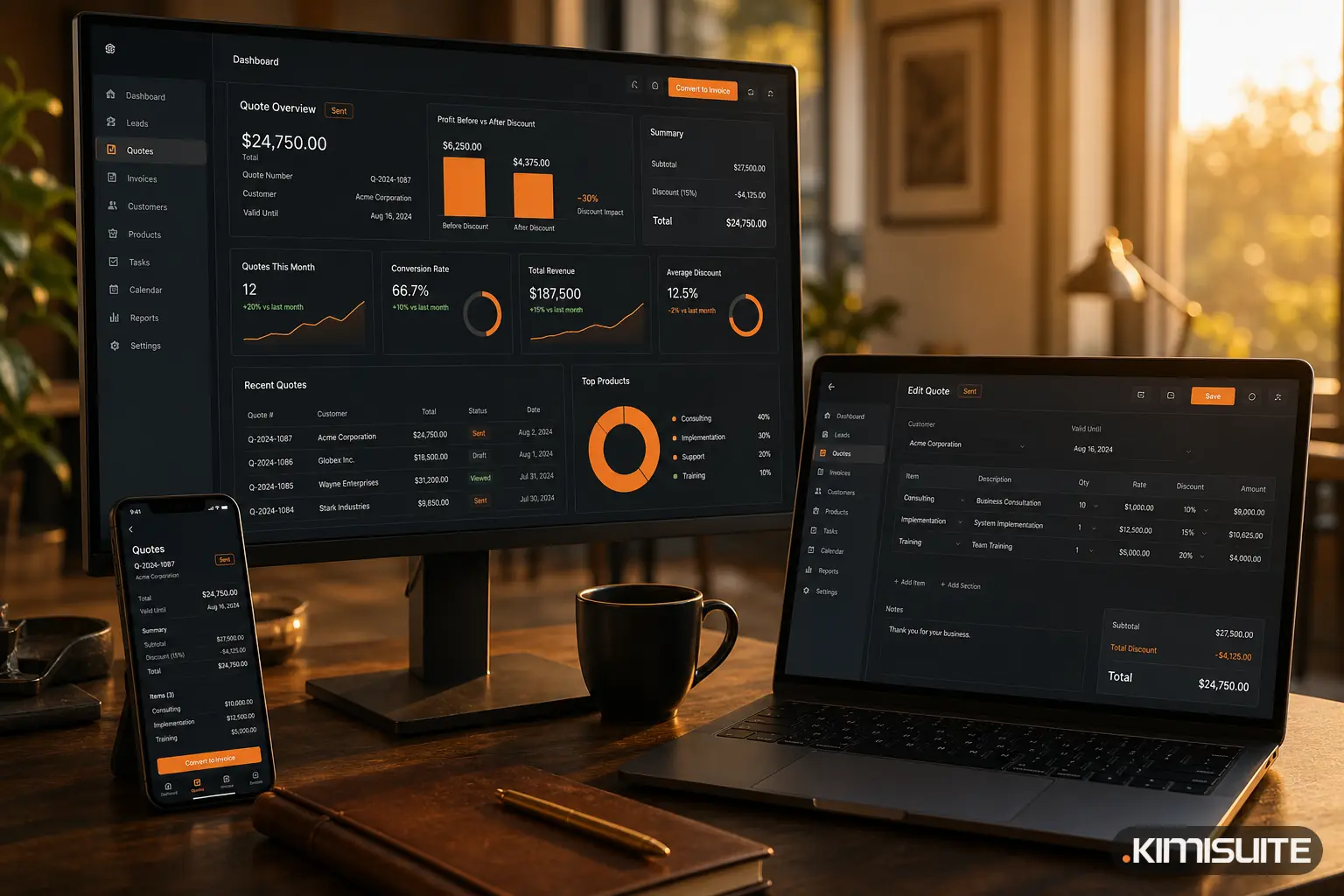
- Digital touchpoints — the website, the email templates, the invoice, the customer portal, the social channels. Each one needs to feel like the same company.
- Behaviour — how the business responds to complaints, how it thanks new customers, how it names things. Behaviour compounds into perception faster than any campaign can.
If a proposal names only the first two, it is a design engagement. If it names all four, it is an identity engagement.
Why the digital side matters more than most designers admit
Ten years ago, most brand impressions happened on paper: business cards, printed collateral, in-person meetings. Today most brand impressions happen inside a browser or an app.
The typography choice that looks perfect at 300 dpi print may render badly on a Retina display. The logo that reads clearly on a business card may disappear at 32×32 pixels next to a browser favicon. The colour that photographs well in a PDF may look aggressive on a phone screen at night.
Digital-first identity design starts from the small end — favicon, in-app avatar, notification badge — and works upward. Print collateral, when needed, is treated as one downstream expression of a system that is designed for pixels first. The reverse workflow — print-first identity retrofitted to screens — is a common source of the "brand feels off online" problem.
Our approach
At KIMISUITE we run identity work as a small engagement that covers the four pillars above and produces a written playbook the client actually uses. We start by auditing where the business currently shows up — every URL, every downloadable document, every automated email — and mapping the drift. From there we design the system top-down: voice choices first, then visual system, then the templates that make the system self-serve for whoever is producing content next week.
The engagement typically pairs with our professional web design work, because the website is where the identity does the heaviest lifting. When the two are designed together, the identity is enforced by the templates rather than by a style guide sitting on a shared drive.
Frequently asked questions
Do you rework existing logos or start from scratch?
Both, depending on the audit. If the current logo is broadly working but poorly systematised, we usually keep it and rebuild the system around it. If the logo is actively holding the business back, we redraw.
Do you deliver a style guide?
Yes — a working document, not a PDF that lives in a drawer. Voice notes, do/don't examples, template library, and enough detail that a new hire can produce on-brand output without asking.
Can you handle print as well?
Yes. We treat print as a downstream expression, but we deliver print-ready assets where they are needed — business cards, printed menus, signage.
What about naming?
We take naming work case-by-case, usually as a separate small engagement before the identity build.
Bottom line
If your website, your invoices, your social channels and your pitch deck do not feel like the same company, you do not have a design problem. You have an identity problem, and no amount of new logo iterations will solve it.